150Views
Device Calibration Errors
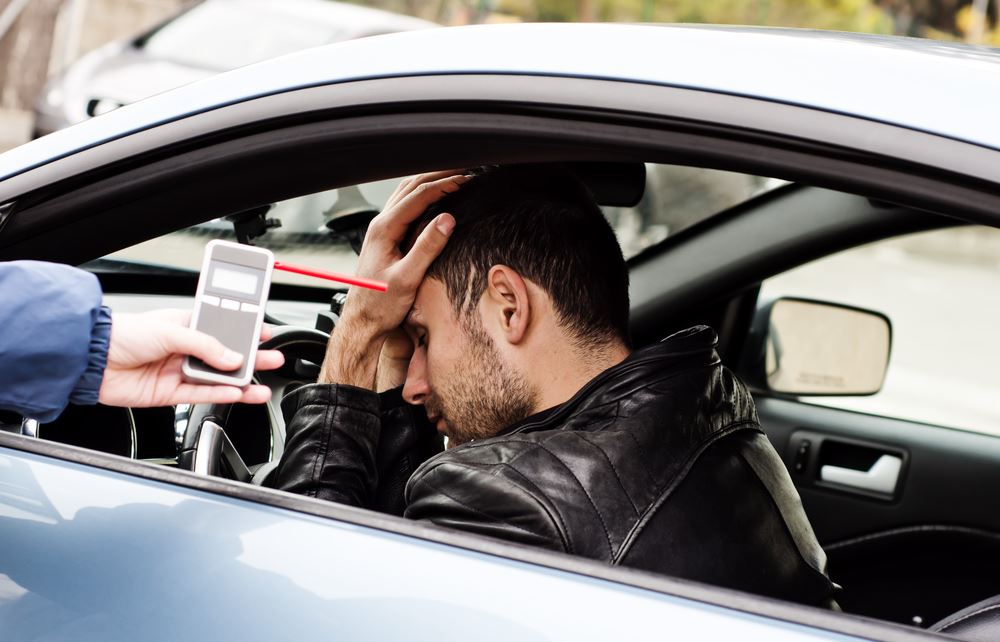
Modern breathalyzers depend upon precise sensor calibrations to provide accurate blood alcohol concentration (BAC) readings. Recent investigations have revealed that many devices employed in Georgia courts have been improperly calibrated or have surpassed their recommended service intervals. When a breathalyzer is not calibrated correctly, the device may consistently under- or overestimate an individual’s BAC, thereby contributing to wrongful convictions.
Outdated Machines in Courtrooms
Unlike other forensic instruments that receive routine upgrades, numerous breathalyzers remain on the same model for years. Older models lack the sophisticated software updates that newer devices incorporate to correct sensor drift. Consequently, a growing body of evidence indicates that several convictions were based on data from devices that no longer meet current industry standards.
Georgia Appellate Cases: Inaccurate Readings Overturned
Over the past two years, three appellate courts in Georgia have overturned DUI convictions after discovering that the breathalyzer readings were erroneous. The first case involved a driver whose BAC was reported as 0.10% when the device was subsequently proven to have a 0.02% under‑reading margin. Subsequent cases highlighted similar calibration failures and a lack of manufacturer documentation during trial. These precedents reinforce the necessity of scrutinizing breathalyzer data before accepting it as definitive proof of intoxication.
The Strength of a Technical Defense
Defendants who contest the reliability of breathalyzer data often find that a technical defense can be more persuasive than the prosecution’s narrative. By presenting expert testimony, device logs, and manufacturer service records, attorneys can cast doubt on the evidentiary value of the breath test. In many instances, a court will grant a suppression order, thereby compelling the prosecution to abandon the case entirely.
Attorney James Yeargan: Experience and Strategy
James Yeargan is a renowned Alpharetta DUI Attorney with over two decades of experience defending clients in complex DUI litigation. Yeargan’s approach combines meticulous case preparation with a deep understanding of forensic technology. He specializes in identifying discrepancies in breathalyzer reports, gathering essential maintenance records, and collaborating with forensic scientists to challenge the device’s validity in court.
Yeargan’s track record includes numerous appellate victories in which convictions were overturned due to unreliable breathalyzer data. His strategy focuses on “proof of error” rather than “proof of innocence,” a tactic that has earned him a reputation as a formidable advocate for those facing DUI charges.
Conclusion
As technology advances, so do the techniques for ensuring its reliability. In Alpharetta and beyond, defendants and defense attorneys must remain vigilant regarding the integrity of breathalyzers employed in DUI prosecutions. By comprehending the common pitfalls—calibration errors, outdated equipment, and insufficient documentation—lawyers can mount a robust technical defense that safeguards their clients’ rights and upholds the standards of justice.