125Views

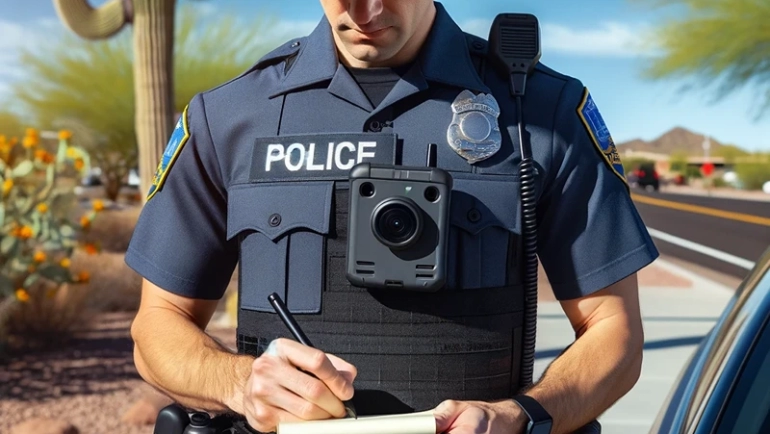
The image that first comes to mind when most people hear “DUI” is a red‑lit police cruiser, a breathalyzer spitting out a blood‑alcohol percentage, and a driver forced to the curb. For a long time that was the true reality of drunk driving. But the rise of cannabis edibles, the proliferation of vaping products, and the blurred line between prescription medication and recreational stimulants have added a new, confusing twist to the classic DUI scenario—especially in a state like Georgia, where the law treats impairment from any drug in the same way it treats alcohol.
The New Face of Non‑Alcohol DUI in Atlanta
In Atlanta and the surrounding metro area, the legal landscape is shifting. While the 0.08% BAC limit for alcohol remains the same, the same standard has been applied to the presence of any narcotic in a driver’s bloodstream. The result? A cyclist who’s just had a handful of THC‑laden gummies can be pulled over and charged with a DUI, even if the blood test shows “0.00” THC or the driver claims they’re simply feeling the effects of a prescription medication.
You might be thinking, “If the blood test says 0.00, how can I be charged?” The answer lies in the way drug impairment is evaluated. In Georgia, a driver can be charged with a drug DUI if there is probable cause to believe they were impaired—by any substance, not just alcohol. In practice, this often means that the police officer’s observation of erratic driving, a single positive screen, or even a suspicion of drug use can be enough to justify a DUI arrest.
How People End Up Charged
The most common “excuses” that appear in the headlines are:
- “I Only Had Gummies.”
Jokes aside, a single edible can produce enough THC in the bloodstream to register as impaired, especially if the person is a first‑time user or has a low tolerance. The problem is that the presence of THC can linger in the bloodstream for hours, even days, after ingestion. - “It Was Delta‑8, Delta‑9 or CBD.”
Delta‑9 THC is the psychoactive component in marijuana, while Delta‑8 is a close relative that can produce milder effects. CBD (cannabidiol) is generally considered non‑intoxicating, yet some products are mislabeled or contain trace amounts of THC. In both cases, the blood test can pick up the trace, and the court can interpret that as impairment. - Prescription Meds Mixed with a Single Drink.
A patient might take a prescribed medication—say, a benzodiazepine for anxiety—before heading out. The drug can exacerbate the effects of a modest amount of alcohol, leading law‑enforcement officers to suspect impairment. In Georgia, the law does not distinguish between prescription and illegal substances when it comes to DUI.
The Problem with Drug Recognition Experts (DREs) and Blood Tests
In recent years, drug recognition experts (sometimes dubbed “DREs” in analog to alcohol breath‑testers) have been called to testify in many drug DUI cases. The idea is that these experts can “read” a driver’s physical and behavioral cues to determine impairment. In practice, however, the science behind drug recognition is riddled with inconsistencies.
- Subjectivity: Unlike a breathalyzer that provides a numeric value, a DRE’s assessment is heavily subjective. The same driver could receive differing evaluations from two separate experts.
- Training Gaps: The training for drug recognizers varies widely, and no universal standard ensures that all observers are equally skilled.
- Limited Evidence: No peer‑reviewed studies conclusively prove that a DRE’s observation aligns reliably with actual impairment.
Blood tests further complicate the picture. While a breathalyzer measures alcohol concentration in real time, blood tests for drugs are taken after the fact, often hours after the alleged impairment. THC, for example, can remain detectable for days in the bloodstream but does not necessarily correlate with functional impairment. A non‑intoxicating level of THC may be present in a person’s blood well after the effects have worn off, yet the judge may still accept that as evidence of impairment.
Georgia Law on Drug DUIs vs. “DUI‑Less Safe”
Georgia’s statutes treat drug impairment the same way they treat alcohol impairment. The law states that a driver is guilty of DUI if they are “driving a vehicle, or otherwise operating or being in the operation of a vehicle, while the driver is impaired by alcohol, drugs, or a combination thereof.” Impairment means that the driver’s driving ability is hindered, which can be determined by a variety of factors, including observational reports and scientific evidence.
In practice, this means that a single positive drug test can be enough for a conviction, even if the driver’s physical test shows no impairment. Many judges will look at the totality of evidence: the driver’s behavior, the amount of the drug detected, and any corroborating testimony. However, there have been cases where an Atlanta judge has been sympathetic toward drivers with legitimate medical circumstances—especially when the driver can demonstrate a clean driving record, stable employment, and a history of responsible drug use.
Defense Angles: What an Alpharetta DUI Attorney Is Doing
Defending a drug DUI is not about denying that a drug was present; it’s about demonstrating that the driver was not impaired by it. A skilled Alpharetta DUI attorney focuses on several key elements:
- Legal vs. Illegal Substances
While the law does not differentiate between drugs, a defense can argue that the substance in question is legal and was used appropriately. For example, a patient prescribed anti‑anxiety medication can argue that their dosage was within therapeutic limits and that they had no intent to drive while impaired. - Timing of Ingestion
The defense may bring in pharmacokinetic experts to explain how quickly the drug would reach peak blood levels. If the alleged DUI occurred before the drug could have started to impair the driver, that timeline can be crucial. - Cross‑Examining the DRE
The attorney will scrutinize the drug recognition expert’s training, methodology, and potential biases. Questions such as “How many drug recognition tests have you conducted?” and “What specific behaviors did you observe?” help reveal the subjectivity of the testimony. - Challenging Blood Test Reliability
A medical consultant can show that the sensitivity and specificity of the blood test used in the case are questionable. For instance, if the test had a high false‑positive rate, or if the laboratory procedures were not properly validated, the defense can argue that the test results are unreliable. - Real‑World Functioning
The attorney will bring evidence of the driver’s job performance, clean driving record, and community ties. If the driver has a stable employment history and has never been involved in an accident, this supports the argument that the driver was not a habitual or reckless driver.
The Role of James Yeargan in Your Defense
James Yeargan brings years of experience specifically tackling drug DUI cases in Georgia. His practice focuses on protecting clients who find themselves in the crosshairs of new drug‑related DUI statutes. By digging into the science, leveraging expert witnesses, and understanding the nuances of Georgia’s legal framework, Yeargan has successfully reduced or dismissed many drug DUI charges.
If you’re a resident of Alpharetta or the greater Atlanta area and you’re facing a drug DUI charge, you need an attorney who knows the local courts, law enforcement practices, and the evolving science of drug impairment. James Yeargan’s expertise lies precisely in this intersection. He will challenge the validity of the drug test, expose the fallibility of the DRE, and build a narrative that showcases your responsibility and lack of impairment.
Why the New “Drug DUI” Landscape is a Legal Minefield
The internet often romanticizes the “weed‑drunk” driver—someone arriving at a party, taking a puff, and then driving home. In reality, the law is far harsher. A single puff of a vape containing Delta‑9 THC can produce blood concentrations that are deemed “impaired,” and the law does not care how much you’ve smoked. The same applies to prescription medications: even a single dose of a sedative can be enough to register as an impairment.
Because of this, law‑enforcement officers have at their disposal a wide array of tools—drug recognition experts, blood tests, and even roadside drug testing kits—to catch offenders. However, the tools are often used without solid scientific backing, leading to wrongful arrests and convictions. When the evidence is shaky, the burden falls on the defense to create reasonable doubt.
Key Takeaways for Drivers
- Know Your Substances: Before driving, understand how long it takes for any drug—whether a legal prescription, a CBD product, or a THC edible—to reach peak impairment levels.
- Keep Records: Maintain a log of medication doses, times of ingestion, and the amounts consumed. If you’re diagnosed with a medical condition that requires medication, keep documentation of your prescription and dosage.
- Don’t Assume Legality Equals Safety: Just because a product is legal does not mean it won’t impair you.
- If Arrested, Seek Legal Guidance Immediately: Contact an experienced DUI attorney as soon as possible to preserve evidence, understand your rights, and prepare a defense.
Conclusion
The landscape of driving under the influence in Atlanta and the broader Georgia region is more complex than ever. THC gummies, vapes, and prescription medications have all entered the conversation, bringing with them new legal challenges. While the law treats drug and alcohol impairment alike, the science behind drug testing and recognition is far from set in stone. For a driver facing a drug DUI charge, the stakes are high: loss of license, fines, possible jail time, and a record that can haunt future employment or travel prospects.
An Alpharetta DUI attorney like James Yeargan is crucial in navigating these uncharted waters. By grounding the defense in reliable science, challenging unreliable evidence, and presenting a compelling narrative of responsible behavior, he can help tilt the scales in favor of a client. Remember: impairment is a legal standard, not a medical one. The law may say that even a trace of a drug is enough to convict, but a skilled defense can expose the gaps and inconsistencies that make that conviction less than certain.
If you find yourself, or someone you know, in this precarious situation, don’t wait. Seek the counsel of a DUI attorney who specializes in drug‑related cases and who has a track record of successfully defending individuals against wrongful convictions. The right legal partner can make the difference between a life disrupted and a life that moves forward unhindered.