294Views
Field sobriety tests can be notoriously challenging to conduct under real-world circumstances, with environmental distractions like slippery surfaces and poor lighting leading to subpar performance from even sober individuals, potentially leading to false DUI charges.
Weather conditions can have an effect on the accuracy of breathalyzer tests used as evidence against DUI defendants, so a skilled lawyer should challenge their reliability by reviewing weather documentation and other pertinent evidence.
Warm Weather
As summer progresses, people alike relish in warmer temperatures; however, this can present drivers with unique challenges. Increased traffic volume increases risk for DUI incidents and can exacerbate symptoms of dehydration; this may cause them to behave more erratically than usual while driving.
Field sobriety tests aren’t scientific tools designed to accurately assess blood alcohol concentration levels; instead, they’re meant to assist police officers in assessing whether someone appears impaired. Unfortunately, these tests can be affected by external factors and misinterpreted by officers resulting in incorrect DUI charges against individuals.
Strong winds can make it challenging for individuals to maintain their balance during the Walk-and-Turn test, which requires them to take nine heel-to-toe steps in a straight line before turning around. Furthermore, wind can blow dust and debris into their eyes, hindering their ability to focus on an object, as well as negatively influencing Horizontal Gaze Nystagmus (HGN) measurements which monitor involuntary eye jerking movements.
Cold Weather
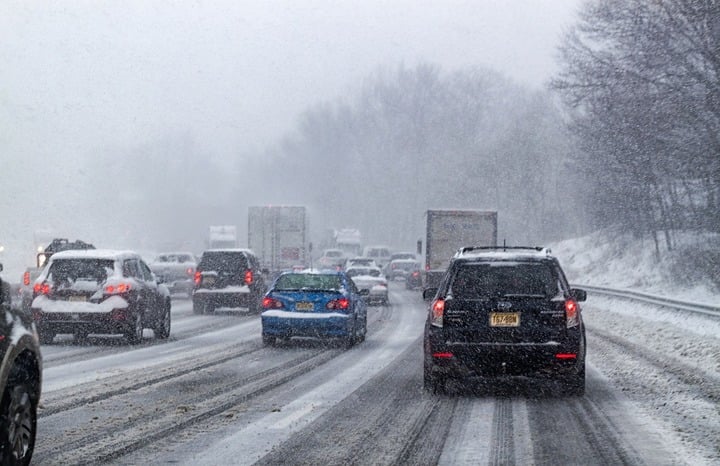
Cold weather conditions make it more challenging for officers to conduct field sobriety tests, with snow and ice often making surfaces unsuitable for effective administration. Furthermore, freezing temperatures may make tasks such as standing on one leg or following a line more challenging for individuals – in addition to heavy clothing restricting movement that impacts balance.
Driving behaviors interpreted by law enforcement as signs of impairment during adverse weather conditions may actually be appropriate and appropriate responses to such challenges, making an experienced attorney’s use of this evidence vital in mounting an effective defense and challenging legitimacy of DUI charges.
Road and weather conditions might seem like minor details when it comes to DUI investigations, but they could make a profound impactful difference on a case’s outcome. A skilled attorney can use these factors as building blocks of their defense – including challenging field sobriety tests and breathalyzer readings which may ultimately result in dismissal of charges in your case.
Rain or Snow
If someone is charged with DUI after failing a field sobriety test in challenging weather conditions, they have several legal defenses at their disposal. A knowledgeable criminal defense lawyer could claim that weather could have contributed to an inaccurate test result or that conducting accurate tests under such conditions was impossible.
Swerving may give the appearance of impairment, but such actions could simply be due to trying to navigate slippery or uneven surfaces. Furthermore, high winds may impede with Walk-and-Turn and One-Leg Stand tests, making it hard for even sober individuals to maintain their balance during these assessments.
Summer Heat
Arizona is well-known for its hot summer temperatures, which can bring considerable discomfort and strain. Furthermore, these oppressive temperatures may amp up frustrations and tensions, potentially leading to confrontations.
As temperatures heat up, people may turn to alcohol-containing drinks such as beer and cocktails to quench their thirst in hot weather, leading them towards dehydration. Dehydration slows the body’s metabolism of alcohol resulting in it remaining longer within their systems thereby raising blood alcohol content (BAC) levels and intensifying effects of intoxication.
Strong winds can also complicate field sobriety tests by disrupting balance and coordination, while blowing debris into an individual’s eyes obstructing their ability to follow instructions. An experienced DUI defense lawyer could use environmental factors like this one against test results to challenge them and avoid false convictions; so seek legal advice right away so you can begin building your defense strategy quickly; the sooner an attorney knows about your arrest circumstances, the more effective he or she will be at challenging them and challenging test results.