124Views
Prescription Drugs: The Unseen Addiction – Driving Under the Influence of Drugs is a documentary film.Driving Under the Influence of Drugs: The Hidden Trap of Prescription Medications is a documentary film about prescription drugs.
When drivers hear the words driving under the influence, the first thing that springs to mind is someone who has imbibed in excess of alcohol or illicit street drugs. In fact, a booming area of Georgia traffic stops is for wholly legal, doctor-prescribed drugs. The penalties for Driving Under the Influence of Drugs (DUID) are the same or even worse than those of an alcohol-related offense, and involve jail time, monetary fines, and license suspension. For numerous citizens, the reality of the situation is that following their doctor’s exact prescription dosage prescriptions and recommendations will still result in the back of a police car.For many citizens, it’s a terrifying reality that they have to obey their doctor’s exact prescription dosage instructions and they will still get in the back of a police vehicle. The reality of the aggressive prosecution of these particular drug-related cases underscores the importance of having an informed Atlanta DUI Attorney to navigate the complex landscape of medical necessity and traffic law.
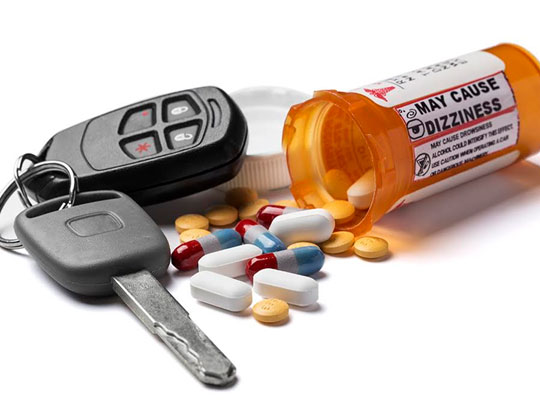
Georgia’s DUID enforcement is based on the premise that a legal right to use a substance is never a legal excuse for driving while impaired. It’s okay to get muscle relaxers, anti-anxiety drugs such as Xanax, sleep-inducing drugs such as Ambien, and potent pain relievers as a legal prescription after a medical procedure. If the prosecution can prove that the medications you obtained legaly made you “less safe” to drive, however, then you will be convicted of a crime. Many prescription medications have small warnings on the label that instruct the user to not use heavy machinery until they know how the prescription medicine affects them. The standard warning labels make for easy evidence for law enforcement and local prosecutors that you should have known better not to get behind the wheel, and your daily medication becomes the basis for a criminal prosecution.
Investigating a suspected drug DUI is an extremely subjective process on the road for law enforcement, as opposed to alcohol. There is no portable breathalyzer for prescription drugs, marijuana or over-the-counter antihistamines. If an officer, on the other hand, suspects you are impaired by drugs—probably based on your blow of a 0.00 on a breath test—then he will closely watch your physical demeanor. They check for any markedly constricted or dilated pupils, delayed reactions, physical lethargy or a bit of slurred speech. In most places, the officer who made the arrest will bring a special Drug Recognition Expert (DRE) into the scene. A DRE is a specially trained officer to recognize signs of impairment in seven categories of drugs. You will be aggressively taken blood pressure, checked muscle tone, and have advanced eye tracking tests performed on you before you ever set foot on the ground of the jail, in order to create a circumstantial case against you.
The state will immediately invoke the Implied Consent law if you are arrested based on the officer’s and/or the DRE’s subjective roadside evaluation and compel a formal blood sample to be taken.If you are arrested based on the officer’s subjective roadside assessment and/or the DRE’s subjective roadside assessment, the state immediately will invoke the Implied Consent law and compel a formal blood test. That’s where drug cases can get very tricky for the defense. The Georgia Bureau of Investigation (GBI) crime lab will always be notified and a blood test will probably be sent for a comprehensive toxicology report. If the lab finds chemical evidence of your prescription drug(s) or marijuana, the prosecutor will try to prove that you were guilty, based on the chemical presence of your drugs, to a jury. The methods for drug testing, however, are quite different from blood alcohol tests. Higher blood alcohol content is found to result in higher physical impairment. On the other hand, a toxicology test for drugs may just show that a particular drug is in your body, but does not show that you were impaired by the drug at the exact moment you were behind the wheel of your car.
Some drugs can stay in the blood for days or weeks after the actual effects of the drug have stopped. This is especially true of marijuana metabolites and for long-acting prescription drugs. A positive blood test merely confirms past use, and prescribed patients are perfectly legal to have marijuana in their system, and in some situations, so are marijuana users. Does not scientifically prove that you were “less safe” and/or under the influence while operating a motor vehicle. The big gap in science between the presence and the impairment is the main arena in a DUID case. With a strong attorney testifying for the defense to challenge the state toxicologists and to highlight the shortcomings of the chemical evidence presented to the court, a jury could easily presume a positive blood test is sufficient proof of “dangerous impaired driving.
A successful defense of a prescription drug or marijuana offense will require an intricate defense strategy that is grounded in science and medical evidence. James Yeargan has years of courtroom expertise that he brings to bear on these complex cases. A defense attorney can often prove that your driving was entirely normal and that your physical symptoms were exaggerated in the arresting officer’s report, after carefully scrutinizing the dashboard and body camera footage. Also, James Yeargan knows how to effectively and aggressively attack the subjective conclusions of a Drug Recognition Expert. DREs are easily wronged, and in court, you can easily have instructive flaws or propose alternative medical causes as to where you are at, like just plain old tiredness, sickness or the natural quirks of your brain.
An aggressive Atlanta DUI Lawyer will also make what’s known as a formal request from the GBI crime lab for raw data files, and take a closer look at the specifics of the gas chromatography and mass spectrometry testing procedures that were applied to the blood sample. The state’s chemical evidence can be entirely thrown out if it is contaminated in the lab, is not stored as it should be, or fails to follow the chain of custody. In addition, your defense attorney can present independent medical evidence, detailed to the judge and jury by medical experts on his team, that your therapeutic dose was not harmful, and not impairing to a medical tolerant patient like you. There is no reason to sacrifice the freedom guaranteed in that essential right to receive medical care for conditions that would benefit your life. Facing a complicated DUID charge requires a proactive defense strategy that is very technical in nature, designed to proactively block the State’s attempt to criminalize your lawful health care decision, and safeguard your long-term future.