192Views
Georgia DUI law mandates chemical tests of breath, blood or urine of drivers charged with DUI in Georgia. An experienced Georgia DUI lawyer will often contest admissibility or reliability of such testing methods.
Diabetes patients can often have elevated levels of acetone that interfere with a breath test result, and other medical conditions can similarly skew results artificially upward.
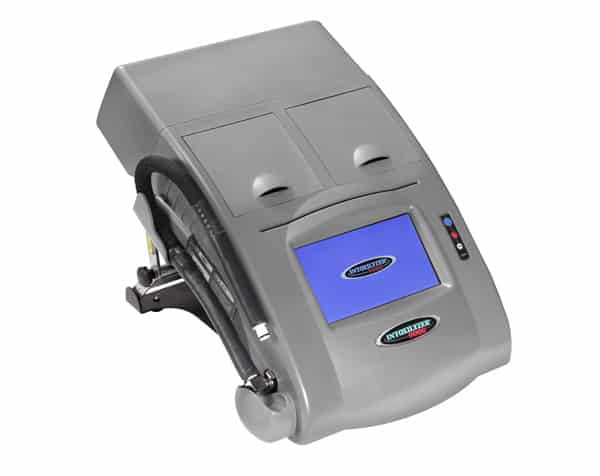
1. The Intoxilyzer 9000 is a Breath Test Machine
There are numerous factors that could skew a breath test result, including mouth alcohol, interfering substances and medical conditions. An experienced DUI attorney is equipped to identify these problems and create an effective defense strategy against DUI charges.
Officers should ensure that a person has not consumed alcohol for at least 20 minutes prior to giving a breathalyzer test; failure to adhere to this requirement could result in an artificially elevated BAC reading. Furthermore, officers should ask individuals to dispose of gum they are carrying and note all current medications they are taking as this could render results inaccurate and lead to inaccurate BAC readings.
Body temperature can have a considerable impact on BAC readings. The Intoxilyzer 9000 assumes the average body temperature should be 98.6 degrees and any deviation can cause the machine to estimate an incorrectly higher amount of alcohol than actually exists.
2. The Intoxilyzer 9000 is a Breath Test Machine with Limitations
Breath tests are used to measure an individual’s Blood Alcohol Content (BAC). At an Implied Consent hearing in Georgia, law enforcement officers will require drivers they suspect of impairment to submit to a breath test – if results indicate they exceed legal limits they could face criminal charges for DUI.
The Intoxilyzer 9000 is one of the latest machines used in Georgia, but it still faces challenges that could impede its accuracy. Diabetes and esophageal hernia may inhibit its ability to detect alcohol while other chemicals in our bodies such as toluene and acetaldehyde can skew test results and alter test results.
As previously noted, breath tests must only be administered after someone has stopped drinking; otherwise it could result in an inaccurate BAC reading. Finally, to produce accurate results the machine should be maintained and calibrated properly to provide accurate readings.
3. The Intoxilyzer 9000 is a Breath Test Machine with Problems
Breath tests are the primary means by which Georgia law enforcement officers assess someone’s blood alcohol content (BAC). Georgia currently uses an Intoxilyzer 9000 device; however, this machine has several shortcomings which allow users to alter its results and produce inaccurate and unreliable results.
Mouth alcohol particles entering a breathalyzer machine can increase its reading dramatically. To mitigate this effect, individuals can rinse or use mouthwash prior to taking a BAC test.
This machine doesn’t take into account a subject’s body temperature; even an alteration of one degree could change its results significantly.
Machines may not be properly maintained or calibrated. Furthermore, machines are only checked quarterly – yet samples used to check them between quarters do not remain preserved between checks – rendering its accuracy suspect. Georgia has decided against installing an optional feature which would record each breath test’s data for two years as a safeguard measure.
4. The Intoxilyzer 9000 is a Breath Test Machine with Issues
Many factors can skew a breath test machine’s results, including medications, diets, gum, braces, bridge work, dentures, mouthwash and breathing through your nose. Furthermore, medical conditions like Gastroesophageal Reflux Disease (GERD) may also skew results causing them to be inaccurately measured.
Other issues that can taint breath test results include radio frequency interference and chemicals like acetaldehyde present in your system. Therefore, it’s imperative that your Atlanta DUI lawyer has an in-depth knowledge of these concerns in order to use them effectively for your defense case.
Failing to follow proper procedural guidelines when giving a breath test can also compromise its accuracy, for instance by not blowing into the machine for at least 10 seconds in order to obtain a valid sample.