6Views
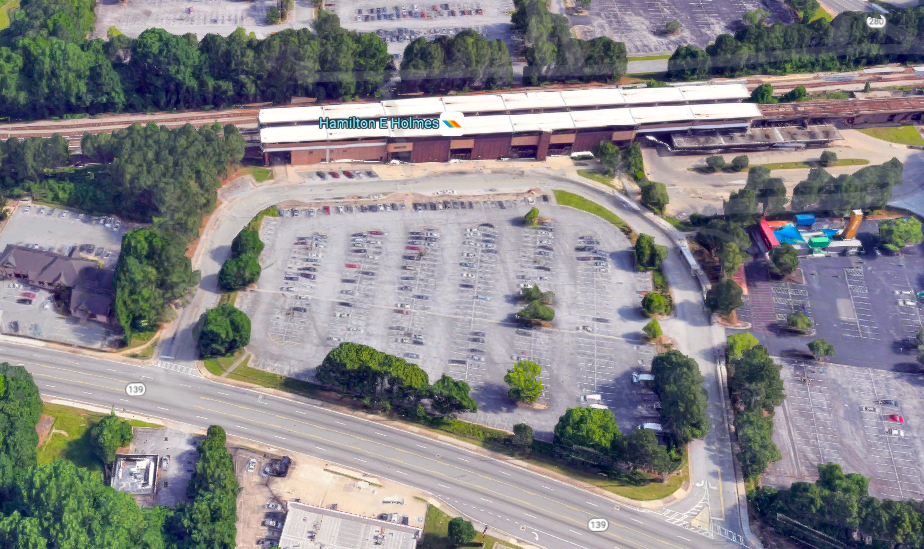
In this case, the MARTA Rail and Station Parking Lot Incidents are in Municipal jurisdiction.The MARTA Rail and Station Parking Lot Incidents fall under Municipal jurisdiction.
Generally, traffic stops and DWI arrests happen on municipal roads and on interstate highways in the Atlanta metropolitan area, such as the Downtown Connector highway. But many transit riders and commuters do use the system, to park cars in large transit parking complexes or wander the station boundaries at night. An interaction with the police on transit property creates a whole new legal situation from a regular municipal police interaction. When a night on the road leads to arrest, knowing your way through the courts and knowing the importance of digital evidence handling can completely swing a defense case.
Investigations and making arrests on transit property is the responsibility of the MARTA Police Department, a full-time, certified peace officer agency under the Georgia Peace Officer Standards and Training Council (POST). Numerous motorists have an incorrect perception about the security authority or jurisdiction that transit officers have and assume it is limited to trains or buses and only platforms. In practice, MARTA police officers have all of the same authority, certifications, and full police powers to enforce state traffic law and local ordinances in transit stations, access roads and parking decks as any municipal police department or county sheriff’s office. If an officer sees a vehicle improperly idled in a rapid transit parking facility, or a vehicle that is being driven in an erratic manner as it enters or exits a rapid transit station deck, he or she can initiate a traffic stop and begin a full DUI investigation with full legal authority as provided by the Atlanta Police Department.
An important factor in successfully defending a Transit Property or Parking Deck DUI is the timely preservation of closed-circuit television records. There are numerous security cameras in place and around the MARTA stations as well as multi-level parking structures, which are all monitored to protect the commuters and to prevent property crimes. This surveillance video of an individual who is charged with DUI can prove to be an objective witness for that driver, giving a video record of the actual driving behavior of the driver, how the driver acted at the time, how he interacted with the police, and the conditions of the parking lot. Transit agencies, however, have very strict data retention schedules and often high-definition video files are automatically overwritten within a few days or weeks. If this crucial evidence is not immediately sought and saved in an electronic format, it could disappear forever.
Additionally, due to the various jurisdictions of MARTA police and city, county or state courts, your case may be prosecuted in either location. The geographic placement of the particular station where the stop took place (whether Fulton or DeKalb County) will send the citation through different courts and have different prosecutive preferences. A defense counsel must understand the interaction of the overlapping jurisdictions of transit police and regular Georgia traffic laws to navigate these jurisdictions.
A proactive defense against a transit-related DUI must be more agile than routine bureaucratic processes. Information from the parking deck blueprints, light surveys and logs of security cameras can reveal inconsistencies in an officer’s testimony on issues of visibility or driving behavior. The evening commute or weekend trip becomes a criminal allegation — and you are not left alone to deal with it without knowing who to turn to — when you work with a savvy advocate like James Yeargan, who has a proven track record of securing video evidence, traversing jurisdictional lines, and vigorously representing client rights.